The art of finding a home
By Maria Mandap-Fraguada, REALTOR® · September 2026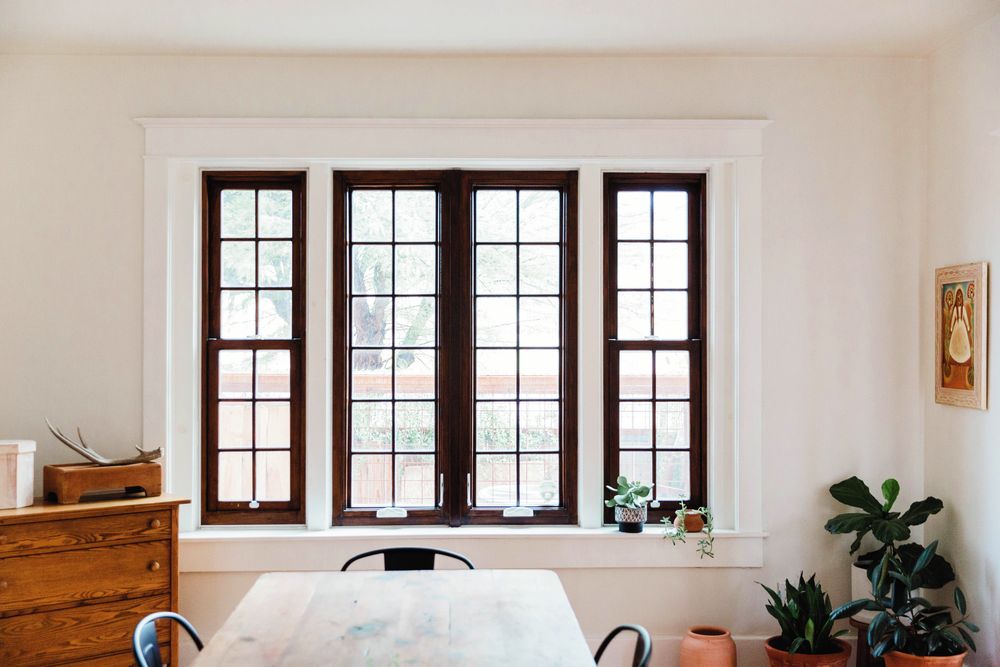
Every artist starts with a feeling
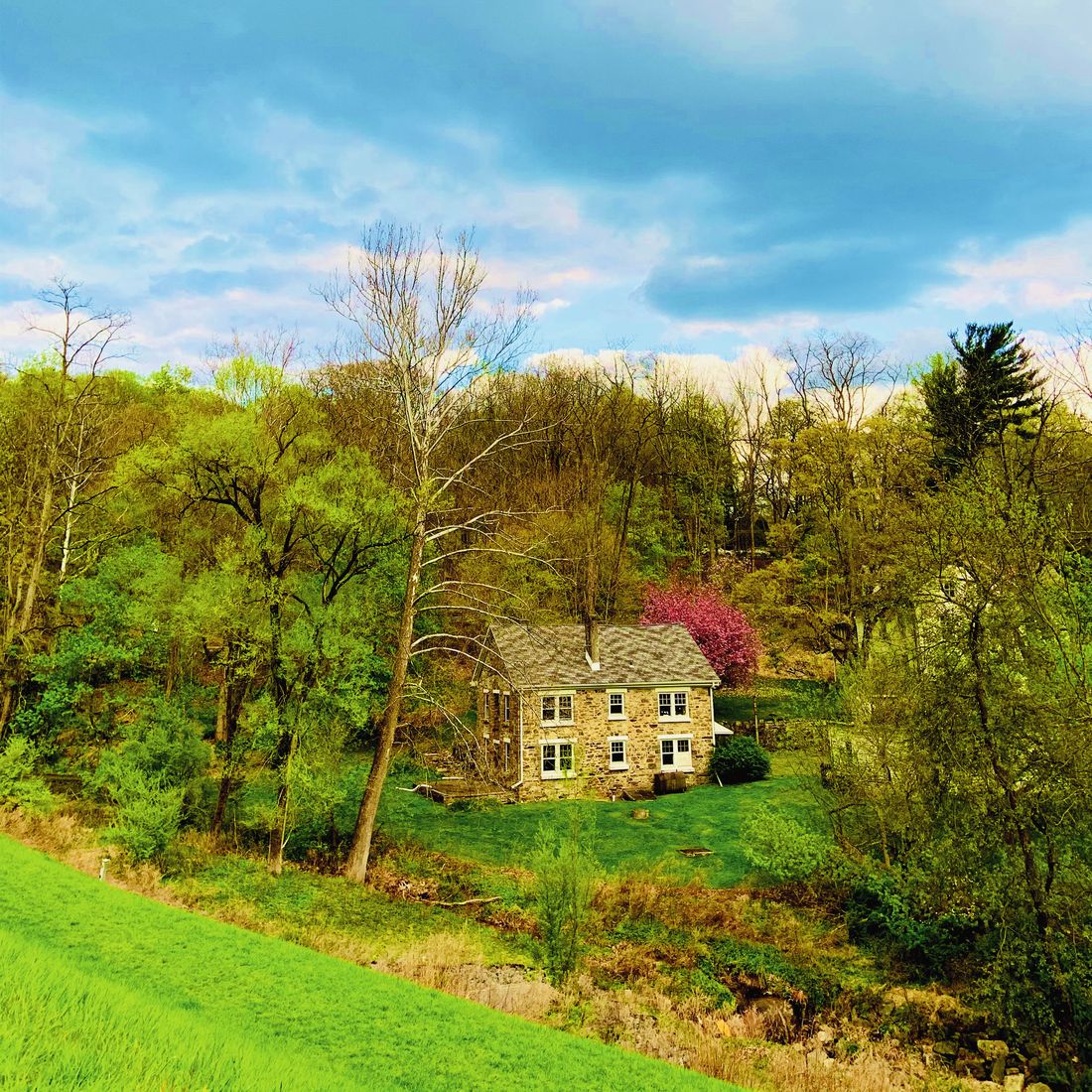
No painter wakes up thinking, "Today I'll produce a 24-by-36 canvas with a balanced color palette." They start with something smaller and harder to name: the way late light hits a barn, a color they can't stop thinking about, a scene that won't leave them alone.
House hunting starts the same way, even if it doesn't look like it. Somewhere behind "three bedrooms, two baths, under budget" is a picture you've been carrying around for a while. Coffee on a porch. Kids tearing across a yard. The tomatoes you are absolutely going to grow this year. A quiet road home at the end of a long day.
The spreadsheet is how you explain that picture to everyone else. The picture is the point.
Then comes the messy middle
Ask any artist about the middle of a project and you'll hear about the drafts that didn't work. Sketches in the trash. Paint scraped off and started over.
House hunting has its own version: the kitchen that looked twice as big online, the "cozy" bedroom that fits a bed and an apology, the perfect house on a road that turns into a highway at 7 a.m. None of it is wasted. Every "not this one" sharpens your eye for the one that is.
Study the light like a painter
Painters are a little obsessed with light, and buyers should be too. Notice which way the house faces and where the sun actually lands. Morning light in the kitchen, afternoon sun in the living room and one bright window for your plants will shape your days more than any countertop. If you can, go back at a different time of day. Houses have moods.
Read the land like a canvas
An artist looks at the whole canvas, not just the subject in the middle. Walk the property, not just the rooms. Where does the water go after a storm? Where are the mature trees? How does the house sit on the lot? In Warren, Morris, Sussex and Hunterdon counties, the landscape often tells you what the listing photos politely leave out.
Look for the brushstrokes
Great art rewards a second look, and so do great homes. The best details are the ones nobody staged: worn stair treads, an old apple tree, a window seat someone built by hand.
Even moss has something to say. A soft green carpet along a stone wall or a shaded path usually means mature trees and a landscape that's had decades to settle, the kind of character no contractor can install. On a roof or a deck, though, moss is saying something else entirely, and it's worth a question.
Live with it for a minute
Artists rarely call a piece done the moment they put the brush down. They walk away, come back and see it fresh. Give a house the same treatment. Drive the commute at rush hour. Find the closest coffee, grocery store and trailhead. Picture a completely ordinary Tuesday there. If the ordinary Tuesday feels good, that's a very good sign.
Know what's paint and what's composition
A painter can fix a color. Fixing the composition means starting over. Homes work the same way. Paint, fixtures and flooring are touch-ups. Location, light, lot and layout are the composition. Fall in love with the composition, and let the touch-ups be your next project.
Then, one day, you just know
Ask an artist how they know a piece is finished and most will shrug. There's no checklist. They step back, and it simply is.
Buyers describe the right home the same way. It's rarely fireworks. It's quieter than that: you stop comparing, you start mentally placing the couch, and you notice you don't want to leave. It feels less like choosing and more like recognizing something that was already yours.
Instinct finds the home. Diligence secures it.
That feeling deserves to be protected. Pricing, inspections, attorney review and negotiation are the craft behind the art, the part that makes sure the home you fall for is also the right decision.
The art and the craft
Every artist needs both inspiration and technique. Finding a home is no different. Trust the feeling when it shows up, and have someone beside you who knows the craft, so that when you know, you're ready.