Adding property value: when moss is an asset, not a problem
By Maria Mandap-Fraguada, REALTOR® · September 2026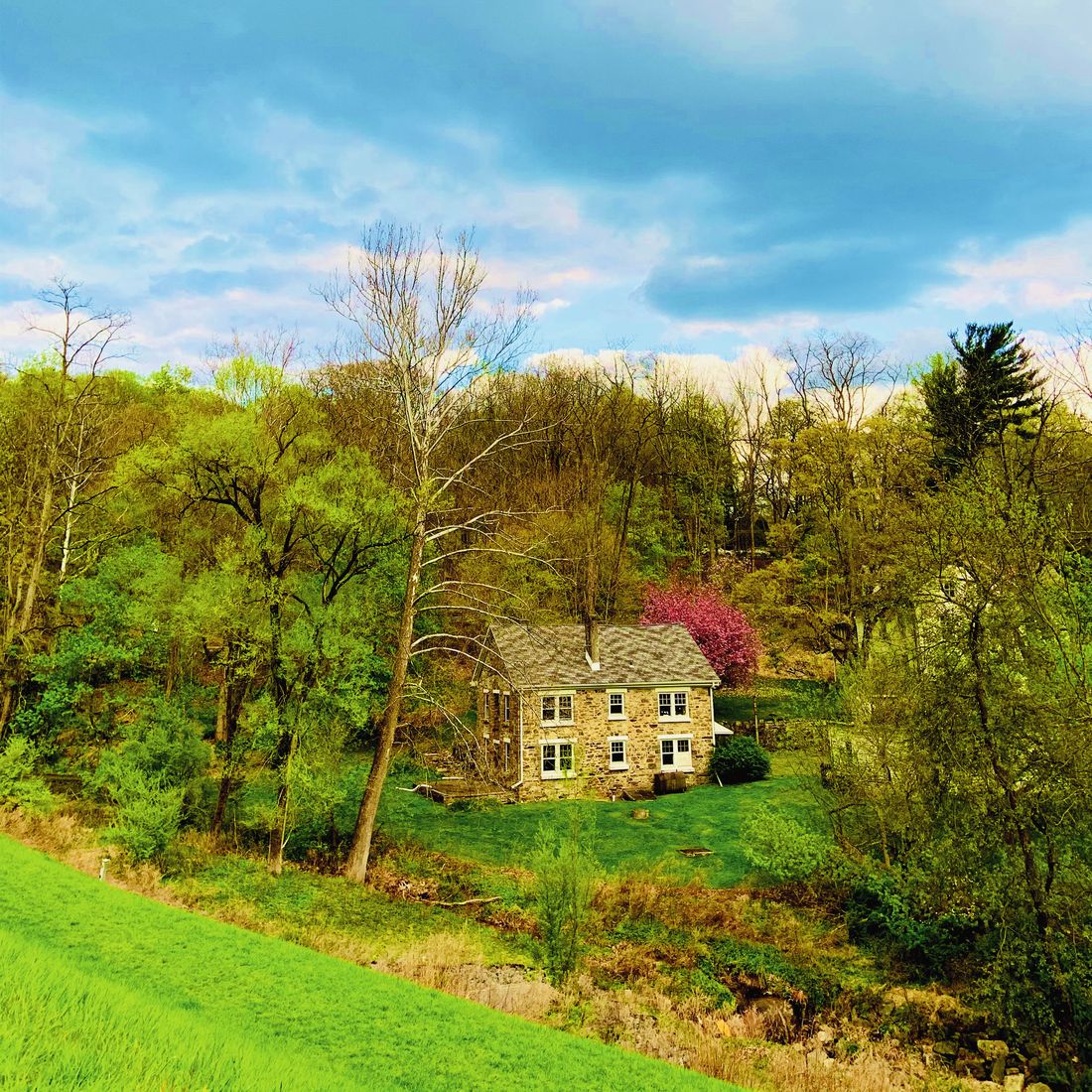
When we think about adding value to a property, renovations usually come to mind. But value isn't created only inside the house. Curb appeal, character and the way a home fits its surroundings shape how buyers see it, and sometimes adding value means knowing what not to remove.
Moss, character and perceived value
Moss is usually something we clean away. In the right place, though, it makes stonework, garden walls, pathways and wooded landscapes feel established rather than neglected.
An old stone wall softened by moss, or natural stone rising through a woodland garden, isn't valuable because it's perfect. It's valuable because it gives a property an identity that can't be recreated overnight, and buyers feel that in their first impression.
Lessons from Fallingwater
Frank Lloyd Wright's Fallingwater in Pennsylvania takes this idea to an extraordinary level. The house sits directly over Bear Run, built with local stone and terraces that reach out into the landscape, so water, rock, trees and architecture become one experience. It's Wright's organic architecture at its best: designing in harmony with the environment instead of apart from it.
A property becomes more desirable when its natural surroundings are treated as an asset, not something to clear, cover or control.
Where moss adds value
Moss looks its best on:
- Natural stone and boulders
- Landscape and garden walls
- Woodland garden features
- Older stone paths and decorative hardscaping
It softens hard surfaces and makes landscaping feel mature, especially around historic homes, stone houses, cottages and wooded properties. It won't add a specific dollar amount to an appraisal. Its value is in presentation and perception, and that can help one home stand apart from another.
Adding moss the right way
- Don't collect it from the wild. Taking moss from parks, forests, stream banks or someone else's land may be prohibited, and it's part of that ecosystem.
- Buy it responsibly. Look for a reputable nursery, moss grower, native-plant nursery or specialty garden center that can explain how it was grown or sourced.
- Move what you have. Relocate small amounts from elsewhere on your own property to a spot with similar conditions.
- Work with your conditions. Moss needs moisture and shelter. Use it where it becomes a natural extension of the landscape.
The goal isn't to manufacture an aged look overnight. It's to let character develop over time.
Character or a maintenance problem?
Moss on a garden boulder is beautiful. Moss on a roof, siding, gutters, steps or damaged masonry signals maintenance, and it has the opposite effect on buyers.
When moss shows up where you don't want it, look at the cause: persistent shade, trapped moisture, poor drainage, clogged gutters, overhanging branches or deteriorating materials. Clear the gutters, fix leaks, trim back vegetation for airflow and sunlight, and give walkways and steps extra attention, since moss gets slippery when wet.
Remove unwanted moss carefully
More aggressive isn't better. Roofs, historic masonry, natural stone, wood and concrete each need a different approach, and high-pressure washing can damage older masonry, soft stone and some exterior finishes. For historic stonework, or moss tied to a moisture problem, talk to a qualified masonry, roofing or exterior professional first.
Keep the moss that adds to the landscape. Address the moss that's telling you something about the building.
The real estate takeaway
Adding value doesn't always mean making a property look newer. It means knowing which imperfections to correct and which characteristics to celebrate.
Preserve the mature trees. Restore the old stone wall. Let the landscape feel established. Character is hard to manufacture, and sometimes adding value begins with recognizing the character a property already has.